
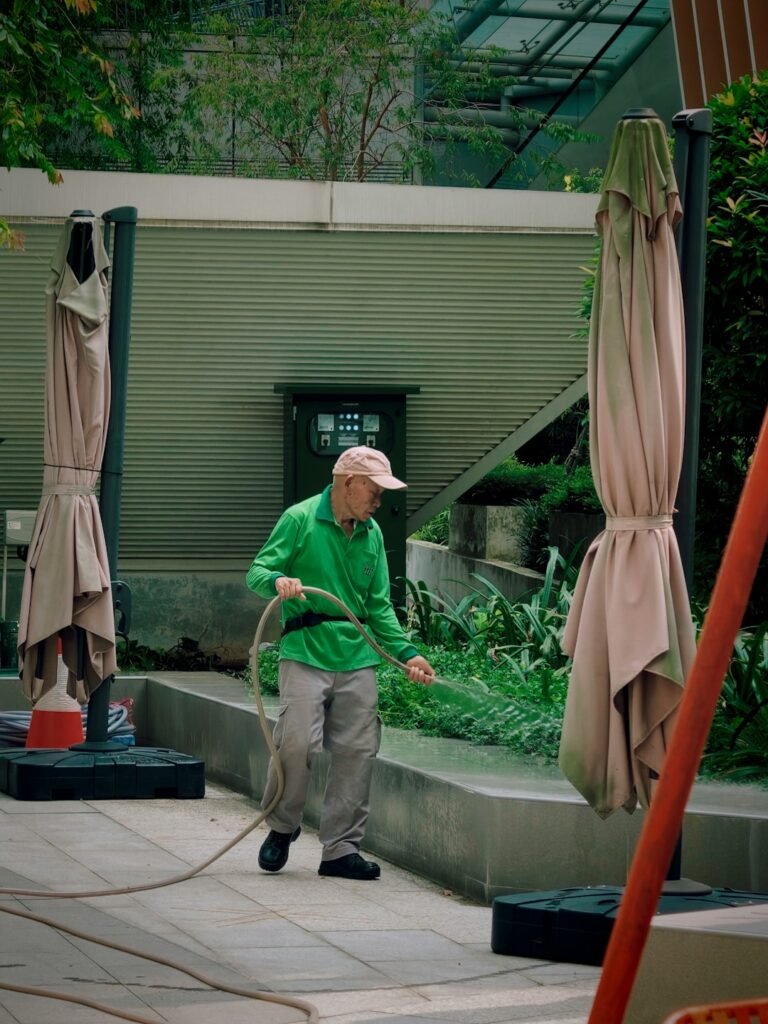
Modern assisted living communities are increasingly using practical environmental measures that support resident comfort, health, and efficient daily operations. Eco-friendly practices may include better insulation, lower water use, safer cleaning methods, less food waste, energy-efficient lighting, and outdoor spaces designed for changing weather conditions.
For residents and families in Greenville, PA, the most useful question is not whether a community uses the label “green.” It is whether its environmental practices are visible, well maintained, and compatible with the needs of older adults.
What does eco-friendly assisted living mean?
Eco-friendly assisted living means managing a residential care setting in ways that reduce unnecessary energy use, water waste, pollution, and disposable materials without compromising safety or quality of care.
A responsible approach balances environmental goals with practical resident needs. For example, reducing heating costs should never mean allowing rooms to become uncomfortably cold. Limiting water use should not interfere with bathing, handwashing, laundry, or infection-control procedures.
Common practices may include:
- Energy-efficient heating, cooling, and lighting systems
- Well-sealed windows, doors, roofs, and exterior walls
- Low-flow plumbing fixtures and leak monitoring
- Recycling and careful separation of waste
- Reusable dining and activity supplies when sanitation permits
- Reduced use of harsh chemicals and unnecessary packaging
- Seasonal menus and food-waste tracking
- Native or low-maintenance landscaping
- Safe walking areas, shade, seating, and garden spaces
These measures are most effective when they are part of routine building management rather than occasional environmental projects.
How can energy efficiency improve daily life for residents?
Energy efficiency can make indoor spaces more comfortable and help maintain steadier temperatures. This matters because older adults may be more sensitive to cold, heat, drafts, and sudden changes in indoor conditions.
A well-managed community may use:
- High-efficiency heating and cooling equipment
- Programmable controls in common areas
- Motion or daylight sensors for selected lighting
- Energy-efficient appliances in kitchens and laundry rooms
- Weather stripping and improved insulation
- Regular maintenance of boilers, furnaces, heat pumps, and ventilation systems
In Greenville, seasonal temperature changes can create substantial heating needs during colder months and occasional cooling demands during summer. Energy improvements should therefore be evaluated by comfort as well as utility savings. Residents may reasonably ask whether hallways are drafty, whether windows allow excessive heat loss, and whether common areas remain comfortable during extreme weather.
Lighting also deserves attention. Efficient bulbs can reduce electricity use, but brightness, glare, and contrast are especially important for residents with limited vision. A greener lighting plan should provide adequate illumination on stairs, near bathroom entrances, in dining areas, and along walking paths.
Are eco-friendly cleaning products safe in assisted living?
Environmentally preferable cleaning products can reduce exposure to strong fragrances and irritating chemicals, but “natural” does not automatically mean safe. Products still need to meet sanitation requirements and be used according to their labels.
A careful cleaning program may include:
- Fragrance-free or lower-odor products in resident areas
- Correct dilution of concentrated cleaners
- Secure storage away from residents
- Adequate ventilation during cleaning
- Separate equipment for bathrooms, kitchens, and common spaces
- Clear procedures for disinfecting high-touch surfaces
Residents with asthma, allergies, migraines, or chemical sensitivities may benefit from knowing how odors are managed. A community should also be able to explain how it balances environmentally conscious products with infection prevention.
Reducing chemical use does not mean reducing cleaning frequency. Door handles, elevator controls, railings, dining surfaces, and bathroom fixtures still require regular attention.
How do assisted living communities conserve water?
Water conservation usually comes from repairing leaks, improving fixtures, and monitoring use rather than asking residents to reduce necessary personal care.
Practical measures include low-flow showerheads, faucet aerators, efficient toilets, automatic shutoff features in selected locations, and prompt repair of dripping fixtures. Commercial kitchens and laundry rooms may also use equipment designed to clean effectively with less water.
Landscaping can affect water use as well. Native or climate-adapted plants generally require less irrigation after establishment. Rain gardens, mulch, and careful grading can help manage runoff around walkways and building entrances.
Because wet weather, freezing conditions, and heavy snow can affect outdoor surfaces in this region, drainage and walkway maintenance are environmental and safety concerns at the same time. Standing water, icy areas, and poorly placed downspouts can create fall risks. A sustainable grounds program should include regular inspection of paths, handrails, lighting, and entrances.
What happens to food waste and dining materials?
Food service is one of the most visible areas where environmental practices affect residents. Communities may reduce waste through accurate meal planning, smaller first portions with the option for seconds, flexible menu choices, and tracking of uneaten food.
Useful questions include:
- Are meals prepared based on actual participation?
- Can residents request smaller portions?
- Are unopened, safe items handled according to food-safety rules?
- Are dining supplies reusable when appropriate?
- How are cooking oils, cardboard, and food scraps managed?
- Are menus adjusted for seasonal ingredients?

Food waste should never be reduced by limiting adequate nutrition. Older adults may have different calorie, protein, hydration, swallowing, or therapeutic-diet needs. A responsible dining program treats nutrition and sustainability as connected goals.
Seasonal menus can also support familiar eating habits. Locally available foods may require less transportation, but the primary considerations remain freshness, nutrition, affordability, food safety, and resident preference.
Do gardens and outdoor spaces support sustainability?
Yes. Thoughtfully designed outdoor areas can support both environmental goals and resident well-being. Trees and shade structures can reduce heat around buildings, while raised beds and container gardens can make gardening accessible to people with limited mobility.
A useful outdoor area may include:
- Stable, even walking surfaces
- Benches with arms and backs
- Shade and weather protection
- Raised planting beds
- Non-toxic, clearly labeled plants
- Good nighttime lighting
- Seating near entrances and activity areas
- Quiet spaces for relaxation or conversation
Gardening activities can encourage movement, memory engagement, and social connection. They also provide a practical setting for discussing composting, pollinators, herbs, and seasonal changes without requiring residents to perform strenuous work.
How should families evaluate environmental practices?
Families can look beyond signs or slogans and ask specific questions about everyday operations. Useful questions include:
- How are heating and cooling systems maintained?
- Are indoor temperatures monitored consistently?
- What steps are taken to reduce water waste?
- How are cleaning products selected and stored?
- What happens to food scraps, recyclables, and disposable supplies?
- Are outdoor paths designed for winter conditions?
- Does the community have backup plans for power interruptions or severe weather?
- Can residents participate in gardening, recycling, or energy-saving activities?
The strongest programs connect environmental responsibility with resident safety. Reliable backup power, comfortable indoor temperatures, clean air, safe water, accessible walkways, and dependable food service matter more than a particular certification or label.
For older adults and families evaluating assisted living, eco-friendly practices are most meaningful when they quietly improve everyday life: fewer drafts, safer walking areas, fresher air, less waste, dependable utilities, and outdoor spaces that remain useful across the seasons.
