

Transitioning into assisted living is a significant milestone—one that often brings a whirlwind of emotions for seniors and their loved ones. For many in Greenville, Pennsylvania, the decision to move stems from a desire for support and companionship while maintaining dignity and independence. However, as with any life change, there is a strong emotional component to preparing for this transition. Understanding these feelings and planning ahead can help make the move smoother and more positive.
Understanding the Emotional Journey of Moving to Assisted Living
*The thought of leaving one’s longtime home, changing routines, and entering a new community brings a mix of anticipation and apprehension.*
In Greenville, with its close-knit neighborhoods and familiar small-town comforts, these feelings can be amplified. Residents often have deep ties to their homes, local churches, and community events such as the Greenville Heritage Days. Recognizing these connections is the first step in acknowledging and validating any emotions that arise during this process.
Common Emotional Responses to Assisted Living Transitions
Some of the most common feelings experienced include:
- Grief and Loss: Letting go of a home filled with memories can trigger sadness and even grief. This is entirely normal and part of the human experience.
- Anxiety and Uncertainty: Worries about new routines, making friends, and changes in daily independence can lead to anxiety.
- Relief and Hope: Many also feel relief at no longer having to manage a house alone and hope for new opportunities.
- Guilt or Second-Guessing: Loved ones often wonder if they are making the right decision, especially in a community as tight-knit as Greenville.
Tips for Emotionally Preparing for Assisted Living
1. Start Open and Honest Conversations
Discussing the move openly with family and friends is crucial. In Greenville, where neighbors often double as lifelong friends, these conversations may be easier to broach by focusing on the benefits: enhanced safety, ready companionship, and continued involvement in beloved local activities.
- Talk about concerns and fears openly.
- Involve the senior in each part of the decision-making process.
- Create opportunities for sharing fond memories and stories about the family home.
2. Explore Greenville’s Community Resources
Take advantage of the supportive culture in Greenville by connecting with local resources:
- Visit local assisted living communities together.
- Attend open houses or community events to get to know future neighbors.
- Tap into local support groups for seniors and caregivers, often available through faith organizations or community centers.
3. Focus on What’s Gained, Not Just What’s Lost
Assisted living in Greenville is not about giving up independence—it’s about gaining peace of mind.
- Emphasize new opportunities for socialization, like joining book clubs at the Greenville Area Public Library or participating in gardening groups.
- Highlight the chance to remain active in cherished organizations, like church or the Greenville Rotary Club, with new transportation and support services.
- Reassure your loved one that community involvement continues, just in a different way.
4. Establish Familiarity with New Surroundings
Making the new living space feel like home can ease the emotional impact.
- Decorate with familiar items: photos, quilts, favorite books, and mementos from Greenville events.
- Arrange the furniture in a way that feels comfortable and comforting.
- Encourage visits from local friends and neighbors to foster continuity.
5. Maintain Old Traditions and Create New Ones
Assisted living isn’t the end of treasured traditions. Many local communities in Greenville encourage participation in events like the annual Fall Festival, church suppers, or trips to Riverside Park.
- Recreate favorite family traditions in the new residence.
- Make plans to attend Greenville-area activities, ensuring beloved routines endure.
- Discover new hobbies or interests offered by the community, such as art classes or local history tours.
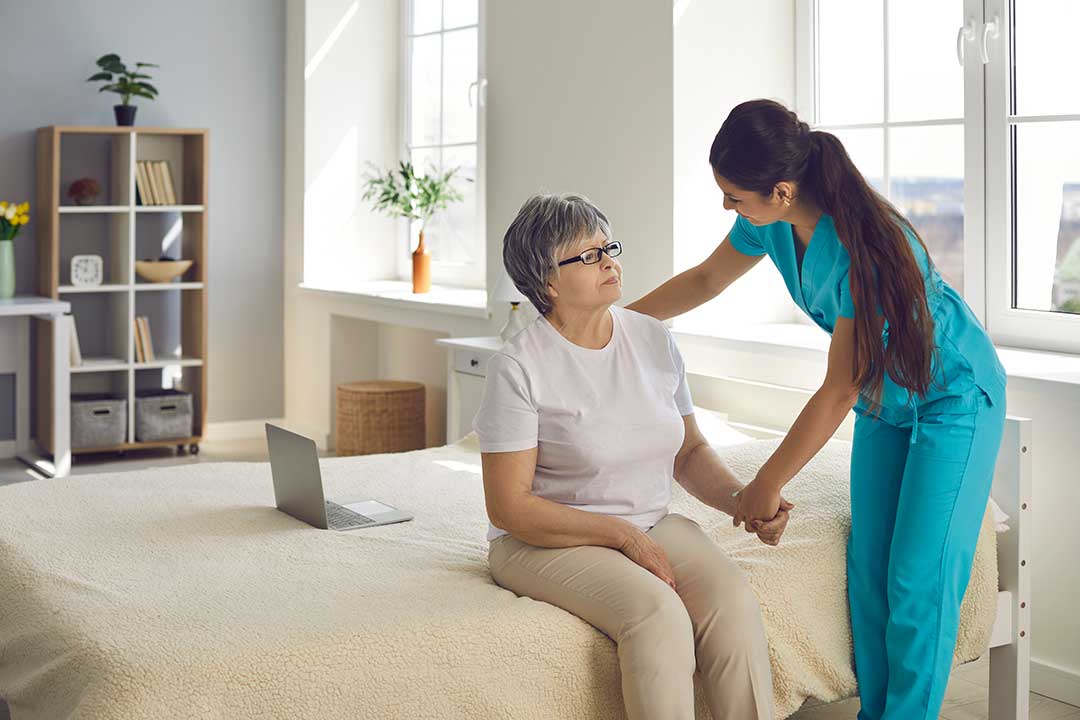
6. Seek Support for the Transition
It’s okay to seek help during emotional transitions:
- Speak to local counselors experienced in senior transitions.
- Family and friends should share their feelings and seek advice from others who’ve gone through the same experience in Greenville.
- Remember, many faith-based organizations provide spiritual support for both seniors and their families.
Overcoming the Fear of Loneliness
One of the greatest anxieties about assisted living is the fear of feeling isolated. In Greenville, where personal connections run deep, this concern is especially strong.
- Assisted living communities often encourage involvement in clubs, hobby groups, and volunteer opportunities that replicate the warmth and camaraderie seniors are used to.
- Many facilities organize group outings to local attractions, helping residents stay connected to the larger Greenville community.
- Regular visits and calls from loved ones remain important and can be scheduled into weekly routines.
Making the Move: The First Weeks
After the move, emotions may fluctuate. Here’s how to ease the initial transition:
- Set up a weekly call with family or friends to update on the adjustment process.
- Attend community events or group meals to foster early connections in the new environment.
- Explore the greater Greenville area—visit old favorite spots or discover new ones with fellow residents.
Final Thoughts: Moving Forward with Confidence
Preparing emotionally for assisted living takes time, patience, and understanding. For Greenville residents, this move is not about leaving a beloved town behind, but about staying connected to all it has to offer while accepting some additional support. With open communication, community involvement, and a focus on both old and new traditions, seniors and their families can face this next chapter with confidence and hope.
Remember, assisted living can be the doorway to a vibrant, connected, and fulfilling lifestyle—one that continues to embrace all that makes Greenville, Pennsylvania, feel like home.
